
As a safeguarding governor, Chair of Governors and a parent, online safety is always on my mind but what does online safety really mean?
From Keeping Children Safe in Education there are four broad areas of online safety risk:
- content – being exposed to illegal, inappropriate, or harmful content, for example: pornography, fake news, racism, misogyny, self-harm, suicide, anti-Semitism, radicalisation, and extremism.
- contact – being subjected to harmful online interaction with other users; for example: peer to peer pressure, commercial advertising and adults posing as children or young adults with the intention to groom or exploit them for sexual, criminal, financial or other purposes.
- conduct – online behaviour that increases the likelihood of, or causes, harm; for example, making, sending and receiving explicit images (e.g. consensual and non-consensual sharing of nudes and semi-nudes and/or pornography, sharing other explicit images and online bullying.
- commerce – risks such as online gambling, inappropriate advertising, phishing and or financial scams.
Each one of these at one point or another has been an issue for each of my children and that is with a well-informed parent and proportional safety measures and boundaries in place. So, it is an issue for all children of all ages in every school. This is a key point to accept, there are ranges in each of the 4 C’s just as there are ranges in knowledge by children, their parents as well as the safety measures in place. Schools have an essential part to play in educating, supporting and protecting children and young people about online safety.
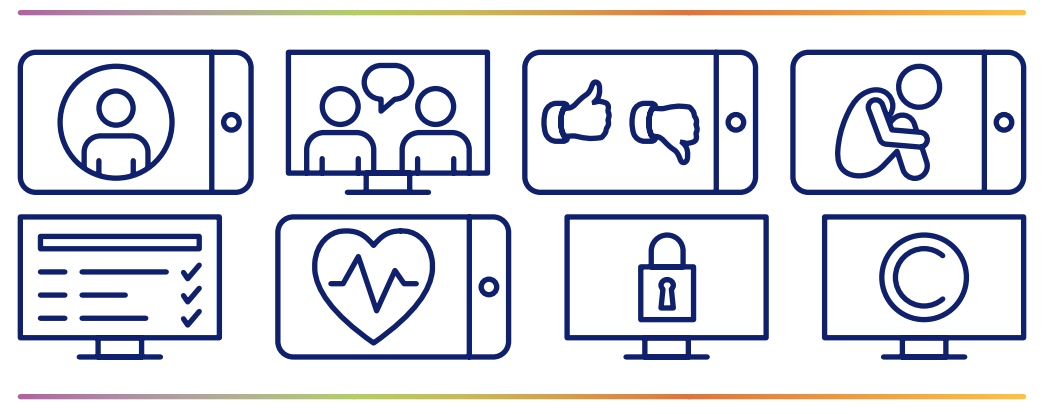
The UK Council for Internet Safety published a framework which looks at eight different aspects of Education for a Connected World.
- Self-image and Identity
- Online relationships
- Online reputation
- Online bullying
- Managing online information
- Health, wellbeing and lifestyle
- Privacy and security
- Copyright and ownership
Find out more…
Online safety therefore needs to be integral within our governance of safeguarding, as it is an integral part of children and young people’s lives.
To find out more about online safety visit our newly developed online safety signposting page for governors and trustees.
We also encourage governors, trustees and governance professionals to join us at our next Governance Conversation on Online Safety, RSHE & Data Protection. Find out more here.
Last word
NGN has signed up to Safer Internet Day 2023, we would like to see more Norfolk organisations and schools on the Safer Internet Day supporters map, so why not join us and commit to this year’s theme ‘Want to talk about it? Making space for conversations about life online.’
